
Hops in the Quad Cities: Exploring Local Brewed IPA’s
Over the last 20 years there hasn’t been a beer style more associated with craft brewing in the United States than the IPA. A once liner American style with English roots, the American IPA (India Pale Ale) developed a polarizing “love it, or hate it” reputation with its caramel malty backbone and extreme hop bitterness bite. Over the last decade or more however the style has evolved with varieties that include the Black IPA, White IPA, Brut IPA, IPL (India Pale Lager), and the extremely popular New England/ Hazy IPA.
The mythology connected with the India Pale Ale states that while occupying India, the British added extra hops when transporting beer to their soldiers due to the antibacterial aspects of the plant in order to keep the beer fresh over the long journey. When the troops returned to Britain they had developed a want for the India Pale Ale and the style stuck around. While the UK version of the style is night and day different from the version American breweries have made “the most popular American craft beer style”, overly hopped beers are definitely here to stay. Where to find 'hoppy' beer in the Quad Cities
What is a hop and why are they in beer?
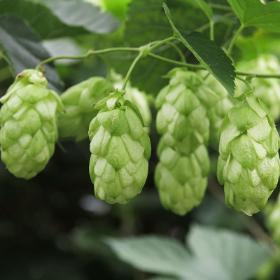
Hops are the flower/cone of perennial vines in the hemp family and are native to the Americas and Eurasia. They are used as a “spice” in beer due to adding flavor, aroma, bitterness, and antibacterial properties to keep beer fresh. While beer had been made with other spices for thousands of years, hops began to be the primary spice in beer around the 15th century. In the early years, hops were primarily used for their preservation properties as people were reluctant to accept bitterness in their beer. While the words hold different meanings now, prior to the wide use of hops, a fermented barley drink without hops was called “ale” and a fermented barley drink brewed with hops was called “beer”.
By the 17th century “beer” was vastly more popular than “ale”. The word “ale” now refers to beer fermented with “top fermenting yeast” as opposed to “bottom fermenting yeast” used for lagers.
Different hop flavors from different parts of the world
A great thing about hops is that they are notorious for picking up flavors from the local terroir and can impart these flavors when used correctly in the brewing process:
- European - generally described as “earthy”, “spicy”, and “floral”.
- United States - generally “piny”, “citrus”, and “resinous” from the Pacific Northwest. A separate hop family in the American Southwest are often described as “woody” with coconut and tropical fruit flavors.
- New Zealand/ Australia - Highly “fruity” and often “grapey” due to the high volume of wine grapes grown in the region.
- South Africa - Highly “fruity” and often with a subtle “spicy” flavor.
Why the “IBU” should mean nothing to you
A commonly used (misused) tool for measuring the bitterness in a beer that you’ll often see on a tap board or menu is the IBU which stands for International Bittering Units. The use of the IBU became a popular marketing tool during the rise in popularity of the American IPA. Breweries would compete for the most bitter IPA but flaunting the IBU of the beer. While the IBU is most certainly a scientific scale used for that reason, it should be noted that it is only relevant to the perceived bitterness of the beer and the taste of the individual.
If a beer uses a lot of sweet flavored malts and has a high finishing gravity (meaning residual unfermented sugars were left in the beer) the bitterness may be perceived as high as a lighter, dryer, unsweet beer with the same IBU’s.
For example, you may see a stout on a menu with 98 IBU’s while the IPA only has 80 IBU’s in comparison. Tasting them side by side the IBU probably will taste much more bitter than the stout, where the stout may taste very balanced with not as much sweetness as you may have expected.
Hop focused beers of the Quad Cities
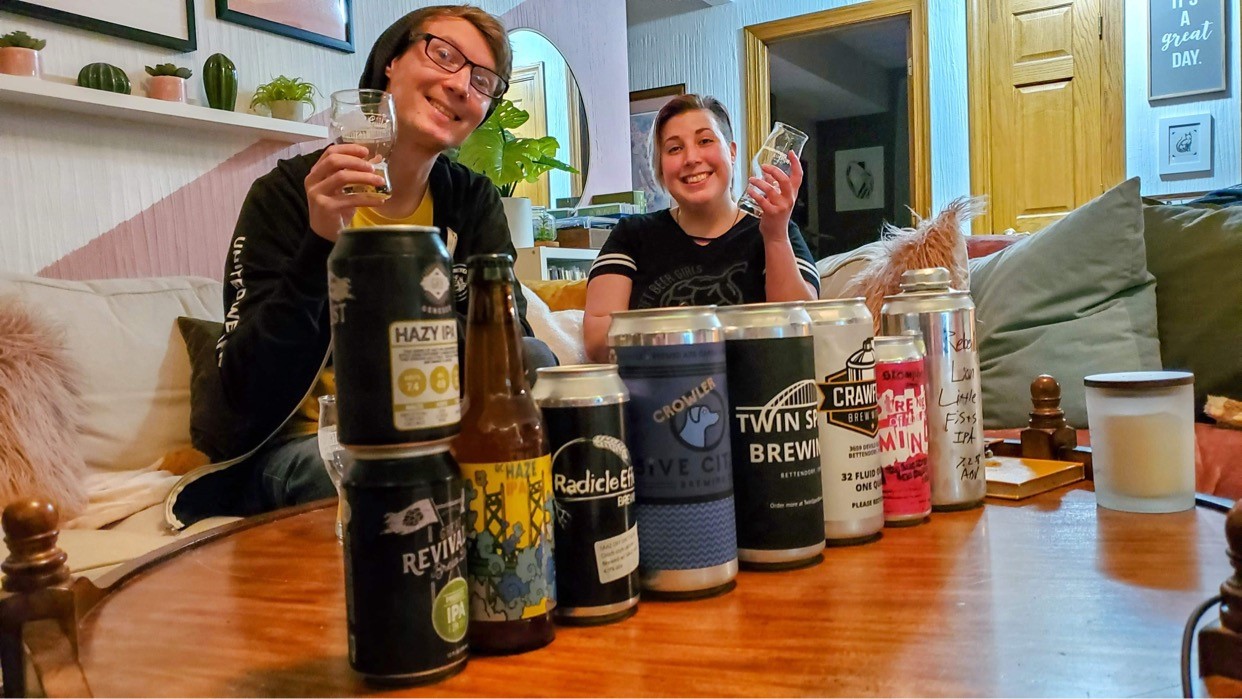
I decided to try out a few examples of hop focused beers from a few of our local breweries. The following were a few highlights:
Adventurous Brewing (Bettendorf) - “Rolling 7s” Triple IPA
While the “Triple IPA” isn’t a recognized style by the Brewer’s Association or the Beer Judge Certification Program, this specialty hazy IPA clocks in at just a tad bit higher ABV than the Double/Imperial IPA style at a whopping 10.3% ABV. This beer was hopped in the kettle and dry-hopped (hops added during or after fermentation for extra flavor and aroma) with “Idaho 7” hops. This particular hop has a pungent tropical fruit and pine character.
Bent River Brewing (Rock Island & Moline) - QC Haze IPA
The original Hazy IPA brewed in the Quad Cities. This beer has undergone many recipe changes as the style has evolved and hopping processes of the style have been better developed. The most recent batch is a great balance of both West Coast bitterness and East Coast haze and fruity flavor. A great all around IPA for anyone who loves the full spectrum of the usage of hops.
Crawford Brew Works (Bettendorf) - Iowa IPA
If “drink local” is your mantra, this is the perfect beer for you. The malt and hops used in this beer were all grown in Iowa. The hops used were Cashmere and Chinook which bring melon, citrus, and pine-y notes to this semi-hazy yellow IPA.

Five Cities Brewing (Bettendorf) - Quarantined at Henry’s
West Coast breweries brought us the American IPA. It’s the classic gold standard bitter hop bite connected to the style we love. This example uses the classic Centennial, with the more recently popular Citra, and in combination with a hop you may have never heard of: Mackinac, a fairly uncommon Michigan grown hop known for its big tropical, citrus, melon, papaya, and spice characteristics.
Geneseo Brewing (Geneseo) - Set Phasers to What?
When talking to GBC Head Brewer Rachel Leiby about this beer on a recent episode of the What’s Tappening podcast, she tells the story of how this popular Hazy IPA recipe was handed down to her from the original Head Brewer and how she put her own twist on it by using a different hop to dry-hop with. It’s a fruity flavored, hazy little thing, with a small bitter bite for good measure.
Great Revivalist Brew Lab (Geneseo) - Project NEIPA
Great Revivalist, which is the reborn Great River brand occupying the former Lionstone Brewing building in Geneseo, has taken a unique approach to brewing by calling themselves a “Brew Lab”. They are using small batches to experiment with different flavor combinations and ingredients in their base styles. “Project NEIPA” is a Hazy Double IPA clocking in at 7.3% ABV. This version uses Pacific Northwest grown hops Citra, Mosaic, and Simcoe to highlight all the juicy and piney flavors of the region.
Radicle Effect Brewerks (Rock Island) - Obscene Vaccine Hazy IPA
A delicious and balanced Hazy IPA utilizing Pacific Northwest hops Idaho 7 and Mosaic. Mosaic is one of my personal favorite hops. It is known as “the fruity hop that changed craft beer” that burst into the scene around 2013. It brings a complex combination of flavors described as a“berry medley” with “rosey”, “floral”, and “herbal” aromas.
Rebel Lion Brewing at Rebellion Brew Haus (Moline) - Little Fists NEIPA
NEIPA, which stands for New England IPA, is often used interchangeably. It was first used to differentiate from the bitter and clear West Coast roots of the American IPA but has since been settled as the Hazy IPA style by the Brewer’s Association. This beer uses the classic Pacific Northwest grown hops Citra and Mosaic for those classic Hazy IPA flavors that made the style so popular. What’s extra unique about this example is where most beers use one strain of beer yeast, Head Brewer Jeremy blended three yeast strains to amp up the tropical, stone fruit, and citrus flavors. (Yes, yeast selection is super important for hop flavors.)
Stompbox Brewing (Davenport) - Strength of the Mind Hazy IPA
Stompbox may be the new kid on the block but their tap list has been very “hop heavy” since opening in the heart of the pandemic. Their beer names are inspired by music and this one is no different, coming from a “Killswitch Engage” song. This bad boy comes in at 7.4% ABV with a juicy backbone of pineapple and mango flavors with a bitter bite reminiscent of the classic West Coast IPA’s. It’s a great example of the evolution of the style. Patrick Hale who has designed many local beer labels over the last few years put some extra personal touches on this label by using a portrait of his fiancé in the imagery. The couple recently had their first child right around the re-release of this beer. Congratulations!
Twin Span Brewing (Bettendorf) - Tragedy Salad IPL
I have no shame in calling myself a “Lager Snob”. If you see me at your local tap room you can rest assured the first beer I’m going for is a craft or imported lager. The IPL, or India Pale Lager, is such a fun and underrepresented style among breweries. Lagers can take up to eight times as long as ales (which IPA’s fall under) and with extremely light and delicate base flavors the addition of extra hops is yet another challenge to do right when making an IPL. This beer is everything you want on a summer day, it just happened to come out in the dead of winter. So grab a crowler of this (and seriously, get some food to go) come home, crank up the thermostat until you break a sweat, and enjoy this over-hopped delicious lager.
Wake Brewing (Rock Island) - Mid Life Crisis IPA
I realize the West Coast style that made the American IPA famous is a bit underrepresented in my personal selection when grabbing hoppy beers on the fly; it doesn’t make them less important. So here’s another great example of the clear, copper, bitter West Coast American IPA that shaped American Craft Beer. Crisp and bitter with citrus and floral notes, this beer will take you back to the examples of yesteryear that made you fall in love with the style.
About the Author:
Glenn Cole is a professional brewer and multimedia beer promoter. He is a graduate of St.Louis University in Brewing Science and Operations, a previous brewer at three different Quad Cities breweries, a certified beer server through the cicerone program, and hosts the What’s Tappening podcast and weekly local beer segment on 97X FM.